
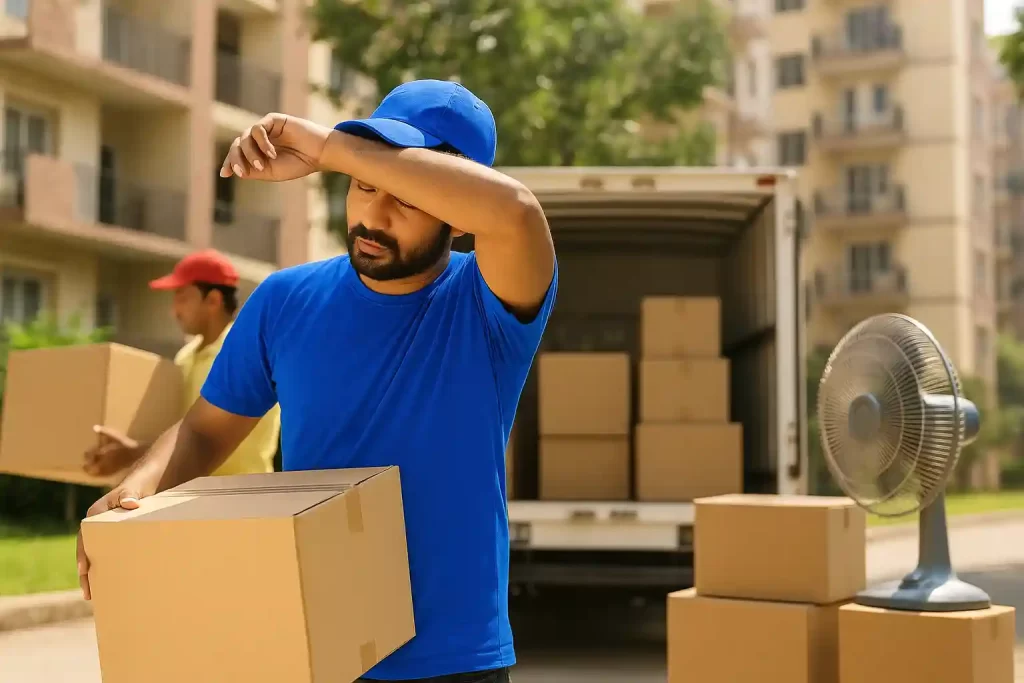
Moving homes is challenging at any time of year, but relocating during an Indian summer presents unique obstacles. With temperatures soaring above 40°C in many regions, a summer move requires careful planning and execution. Whether you’re shifting apartments in Mumbai or relocating to a new city entirely, this comprehensive guide will help you navigate the challenges of moving during the hottest months in India.
Planning Your Summer Move
Moving during summer in India requires strategic planning to minimize exposure to extreme temperatures. The key to a successful summer relocation lies in thoughtful preparation and timing.
Choose the right timing: Early mornings (before 8 AM) and evenings (after 6 PM) offer more bearable temperatures. If possible, schedule the most physically demanding tasks during these cooler hours. Some people even opt for night moves during particularly hot periods, though this may require special arrangements with your packers and movers.
Create a heat-conscious timeline: Traditional moving wisdom suggests allowing one day per room for packing. In summer, consider extending this timeline to account for slower work due to heat fatigue. A rushed move in extreme temperatures increases the risk of heat-related health issues.
Book professionals early: Professional packers and movers in India are in high demand during summer, particularly during school vacation periods. Book your moving services at least 4-6 weeks in advance to secure your preferred date and potentially negotiate better rates. Ask specifically about their experience with summer relocations and what precautions they take during hot weather moves.
Check weather forecasts: While summer heat is inevitable, staying informed about potential heatwaves or monsoon arrival can help you pick the most favorable day within your moving window. Some regions may experience pre-monsoon showers that could provide relief but also create humidity challenges.
Staying Cool and Hydrated
Maintaining proper hydration and body temperature is critical when moving in hot weather. Heat exhaustion and heatstroke are serious risks during summer relocation in India.
Essential supplies for everyone involved: Prepare a dedicated cooling kit including:
- Insulated water bottles filled with cold water
- Electrolyte solutions or nimbu pani (lemon water with salt and sugar)
- Cooling towels or bandanas soaked in cold water
- Portable fans, preferably battery-operated
- Wide-brimmed hats and lightweight, loose-fitting, light-colored clothing
- Sunscreen (minimum SPF 50)
Setting up cooling stations: Designate areas in both your old and new homes where people can rest in cooler environments. If possible, keep at least one air-conditioned room operational until the final moments of moving out and set up cooling in your new home before arrival. If AC isn’t available, use fans strategically and create shaded areas.
Hydration strategies: The standard recommendation of 8 glasses of water daily is insufficient during a summer move in India. Everyone involved should aim to consume at least 300-500ml of water hourly during active moving periods. Avoid excessive caffeine and carbonated beverages as these can contribute to dehydration. Traditional cooling drinks like buttermilk, coconut water, and watermelon juice are excellent natural alternatives that help maintain electrolyte balance.
Recognize warning signs: Be vigilant about symptoms of heat-related illness, including excessive sweating followed by dry skin, dizziness, confusion, rapid heartbeat, and extreme fatigue. If anyone experiences these symptoms, move them immediately to a cooler location and seek medical assistance if needed.
Heat-Sensitive Items: Special Considerations
Many household items require extra protection when moving during extreme heat. Proper handling of heat-sensitive belongings can prevent costly damage.
Electronics and appliances: Electronic devices, particularly those with LCD screens and batteries, are vulnerable to heat damage. Never leave electronics in a hot vehicle or exposed to direct sunlight. If possible, transport temperature-sensitive electronics in your air-conditioned personal vehicle rather than in the moving truck. Allow appliances like refrigerators to acclimatize before plugging them in at your new home.
Perishable goods and medications: Plan to consume or donate perishable food items before your move. For items you must transport, use insulated coolers with ice packs. Many medications lose efficacy when exposed to high temperatures, so carry these with you in cooler bags rather than packing them in moving boxes or hot vehicles. Check with your pharmacist about specific temperature requirements for prescriptions.
Plants, candles, and other heat-vulnerable items: Moving plants during summer requires extra care. Water them thoroughly the night before moving and transport them in a covered, ventilated vehicle. Candles, wax items, certain art supplies (like crayons and oil pastels), and cosmetics can melt in extreme heat. Pack these items with cooling packs and transport them in air-conditioned vehicles when possible.
Wooden furniture and musical instruments: Wood can warp when exposed to extreme temperature variations. If possible, avoid leaving wooden items in hot moving trucks for extended periods. Musical instruments, especially string instruments, require particular care as heat can affect their tuning and structural integrity.
Preparing Your New Home
Arriving at a cool, comfortable new home can make the difference between an exhausting ordeal and a smooth transition during an Indian summer move.
Pre-cooling strategies: If possible, access your new home a day before the move to set up cooling systems. Install curtains or temporary window coverings to block direct sunlight. In extreme heat regions, consider using reflective window films as a longer-term solution.
Setting up fans and air conditioning: Arrange for air conditioning installation or service before your arrival. If the home has existing AC units, have them serviced in advance to ensure they’re operating at peak efficiency. Position fans strategically to create cross-ventilation, especially in areas where people will be working most actively during the unloading process.
Creating shaded areas for unloading: Identify the path from the moving truck to the entrance and set up temporary canopies or umbrellas if this area receives direct sunlight. This small step can significantly reduce heat exposure during the repeated trips between vehicle and home.
Check water supply: Ensure the water supply is functioning properly in your new home before moving day. Access to cold water for drinking and refreshing is essential during a summer move.
Packing Tips for Hot Weather
Adapting your packing strategy for summer conditions can protect your belongings from heat damage during transit.
Heat-resistant packaging materials: Standard cardboard boxes can become weakened by humidity and heat. Use high-quality, sturdy boxes and reinforce them with extra tape on the bottom and sides. For extremely valuable or heat-sensitive items, consider plastic bins with tight-fitting lids as they offer better protection against both heat and potential rain.
Items that need extra protection: Create an inventory of heat-sensitive items and plan their packing accordingly:
- Photographs and important documents can curl or fade in extreme heat; use water-resistant containers
- Vinyl records and other media can warp; pack them vertically and keep them out of direct sunlight
- Artwork, especially those with oil-based paints or adhesives, may require climate-controlled transport
- Electronic media including DVDs, CDs, and backup drives should be kept cool
- Delicate fabrics and leather goods can be damaged by heat and humidity
Labeling temperature-sensitive boxes: Clearly mark boxes containing heat-sensitive items with “KEEP COOL” labels. Use bright colors like red or orange to ensure these boxes get priority attention. Include specific handling instructions when necessary.
Taking Care of Your Moving Team
Whether you’re working with professional movers or friends and family, ensuring everyone’s well-being during a hot weather move is both compassionate and practical.
Appropriate compensation during extreme heat: If you’ve hired professional packers and movers, consider providing an additional heat allowance, especially if they’re working during the hottest hours. For friends helping you move, their health and comfort should be a top priority.
Scheduling regular breaks: Establish a schedule that includes mandatory rest periods in cooled or shaded areas. A good rule of thumb during peak summer temperatures is a 15-minute break every hour, increasing to 30 minutes during the hottest part of the day.
Providing cooling amenities: Beyond water and electrolyte drinks, consider offering cooling towels, ice pops, or even a portable misting fan. Traditional cooling foods like watermelon, cucumber, and coconut water make welcome refreshments. Having a first aid kit that includes oral rehydration solutions and cold compresses is also advisable.
Post-Move Cooldown
The work isn’t over once everything is unloaded. Managing the unpacking process with heat considerations in mind will make your transition more comfortable.
Unpacking priorities during summer heat: Focus first on essentials and items that are vulnerable to heat damage. Set up bedrooms and cooling systems before tackling less critical areas. Delay unpacking non-essential items if temperatures are extreme.
Optimizing your new space for airflow: Before arranging furniture permanently, consider how placement will affect air circulation. Position larger pieces away from air conditioning vents and ceiling fans. If possible, wait until cooler hours to arrange heavy furniture.
Quick cooling solutions for immediate comfort: If your new home doesn’t have adequate cooling systems in place, consider temporary solutions like portable air conditioners or evaporative coolers. Traditional methods like placing bowls of ice in front of fans can provide short-term relief while you establish more permanent cooling options.
Dealing with heat-affected items: Inspect your belongings after the move for any heat damage. Allow electronic devices to return to room temperature before powering them on. Check wooden furniture for any warping or damage to finishes.
Conclusion
Moving during an Indian summer is challenging but entirely manageable with proper planning. By scheduling activities during cooler hours, staying vigilantly hydrated, protecting heat-sensitive items, and preparing both your moving team and new home appropriately, you can ensure a smooth move despite the heat. Remember that the discomfort is temporary, but the care you take with your belongings and the people helping you move will have lasting benefits. Whether you’re using professional packers and movers or handling the relocation yourself, these summer-specific strategies will help you start this new chapter of your life with minimal stress and maximum comfort. Stay cool, stay patient, and soon you’ll be enjoying your new home—having successfully beaten the Indian summer heat.

