
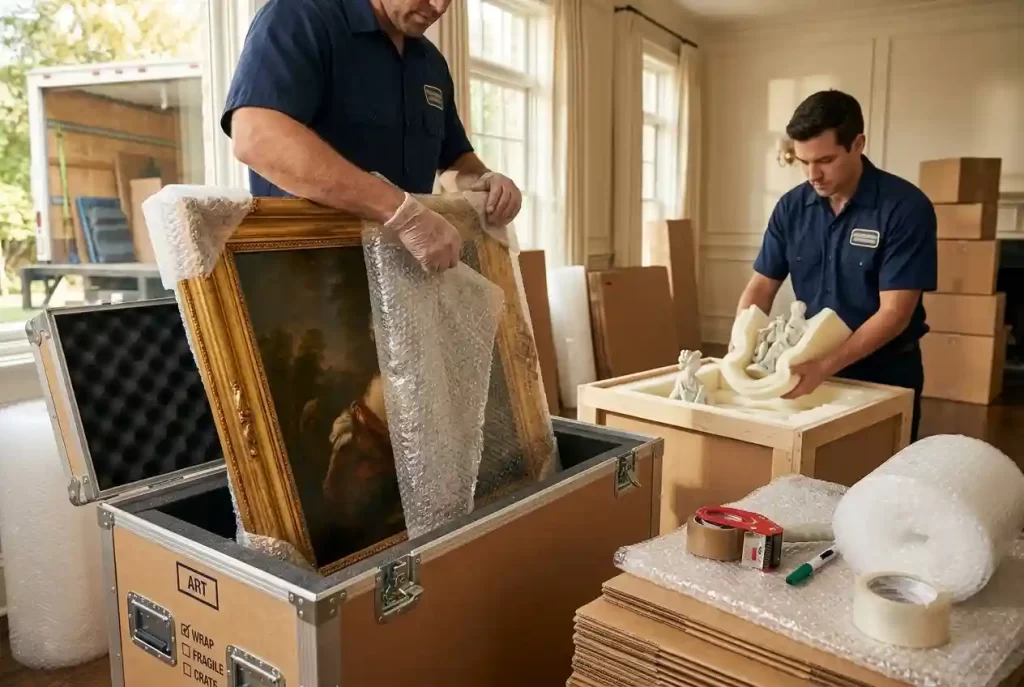
Most people underestimate professional packing until something breaks. A cracked television screen, a shattered dinner set, or a scratched wooden dresser can turn moving day into an expensive lesson. Packing looks simple from the outside: put items in a box, seal it, load it onto a truck. In reality, it is one of the most technical parts of any relocation, and it is where most moving damage claims originate. Whether you are relocating within Gurgaon, moving across Delhi NCR, or planning a long-distance shift, the way your belongings are packed decides whether they arrive intact or in pieces. This guide explains why professional packing services matter, what separates them from DIY packing, and how to protect your household goods during a move.
The Hidden Cost of DIY Packing
On paper, packing your own home saves money. In practice, it often costs more once you factor in broken items, wasted time, and last-minute purchases of packing materials. Most households do not own enough bubble wrap, corrugated boxes, or packing tape to protect an entire home, and improvising with newspaper or old bags rarely works for anything fragile.
There is also the time cost. Packing an average 2BHK home properly takes 15 to 20 hours of focused work. Families juggling jobs and children usually end up rushing the last few rooms, which is exactly when mistakes happen.
What Professional Packers Actually Do Differently
A trained packing and moving team does not just wrap items faster. The process is structured, and each step exists to prevent a specific type of damage.
1. Material Selection Based on Item Type
Professional movers use different materials for different categories:
- Double-walled cartons for heavy items like books and kitchenware
- Anti-static bubble wrap for electronics and appliances
- Foam sheets and corner protectors for furniture edges
- Wooden crates for artwork, mirrors, and marble items
- Mattress and sofa covers to prevent stains and tears during transit
2. Room-by-Room Systematic Packing
Instead of packing randomly, trained packers work room by room, grouping similar items together. This reduces the chance of mixing fragile and heavy items in the same box, a common cause of breakage.
3. Labeling and Inventory Management
Every box is labeled with its contents, destination room, and handling instructions such as “Fragile” or “This Side Up”. Reputable relocation companies also maintain a written inventory list, which becomes important later for insurance claims and unpacking.
Common Packing Mistakes That Damage Belongings
Even careful individuals make errors that professionals are trained to avoid:
- Overpacking boxes until they bulge and become impossible to stack safely
- Leaving empty gaps inside boxes, which lets items shift and collide during transit
- Using old, weak tape that fails under weight
- Wrapping glassware flat instead of on its edge, which is the weaker orientation
- Packing liquids and electronics in the same carton
- Not securing furniture legs, drawers, and moving parts before transport
Special Handling: Fragile Items, Electronics, and Furniture
Not all household goods carry the same risk. Fragile item packing requires individual wrapping, cushioning on all six sides of a box, and clear labeling. Electronics such as televisions, computers, and audio systems need anti-static wrap and, ideally, their original packaging with foam inserts if it is still available.
Furniture presents a different challenge. Wooden furniture can be scratched or develop cracks from humidity changes during transit, so furniture wrapping and disassembly by trained staff protects both the polish and the structural joints. For upholstered furniture, moisture-resistant covers prevent stains from monsoon-season moving, which is a real concern across much of India between June and September.
Packing Materials and Industry Standards
Established packers and movers in India generally follow packing standards aligned with ISO 9001 quality management principles and, for international relocations, FIDI FAIM accreditation guidelines. These standards cover material quality, box weight limits, load securing, and documentation. A company that follows recognized standards is far less likely to cut corners on packing quality.
Typical weight guidelines used by professional teams:
- Small boxes (books, tools): up to 15-18 kg
- Medium boxes (kitchenware, decor): up to 12-15 kg
- Large boxes (linens, clothing): up to 10-12 kg, since large boxes with heavy items become hard to lift safely
Cost vs Value: Is Professional Packing Worth It?
Professional packing services typically cost more upfront than doing it yourself, but the comparison changes when you include the value of what is being protected. A single damaged appliance, antique piece, or electronic device can cost more to repair or replace than the entire packing service fee. Most moving companies in India offer packing as part of a bundled packers and movers service, or as a standalone add-on if you only need help with the fragile and high-value items.
Moving Insurance and Liability Considerations
One point people often overlook: most transit insurance policies require items to be packed by the moving company, not the owner, for damage claims to be valid. If you pack your own boxes and something breaks in transit, many insurers will reject the claim on the grounds of inadequate packing. This alone is a strong reason to use professional packing and moving services for anything valuable, since it keeps your moving insurance coverage intact.
How Long Does Professional Packing Take?
Timelines vary with home size, but typical ranges are:
- 1BHK apartment: 4 to 6 hours
- 2BHK apartment: 8 to 10 hours (often split across a day)
- 3BHK or larger home: 1.5 to 2 full days
- Villa or large independent house: 2 to 3 days depending on inventory
Why Professional Relocation Services Can Help
A full-service relocation company does more than move boxes from one address to another. Experienced teams assess your home before moving day, recommend the right packing materials for each item category, and handle the physical strain of lifting and loading so you do not have to. For interstate or international relocation, professional movers also manage documentation, customs paperwork where applicable, and coordination between origin and destination teams, which is difficult to replicate with a self-managed move.
For families managing a job relocation, a house shifting with young children, or an office relocation with sensitive equipment, professional packers reduce the operational load significantly. The result is fewer damaged items, less physical strain, and a move that stays on schedule instead of stretching across an extra weekend of last-minute box-taping.
Conclusion
Professional packing is not a luxury add-on, it is risk management for everything you own. The right materials, a systematic room-by-room approach, correct labeling, and adherence to industry packing standards are what actually prevent damage during a move. Combined with the fact that most moving insurance claims require professional packing to be valid, hiring experienced packers and movers is one of the more financially sound decisions in any relocation. If you are planning a move soon, treat packing as the first decision you make, not the last task you rush through.
Frequently Asked Questions
1. Is professional packing worth the extra cost?
Yes, for most households. The cost is usually lower than replacing even one or two damaged high-value items, and it keeps transit insurance claims valid.
2. Can I pack some items myself and let professionals handle the rest?
Yes. Many packers and movers offer partial packing, where you handle everyday items and professionals take care of fragile, valuable, or bulky items like electronics and furniture.
3. What packing materials do professional movers use?
Double-walled cartons, anti-static bubble wrap, foam sheets, wooden crates for fragile or high-value items, and moisture-resistant covers for upholstery and mattresses.
4. Does professional packing affect moving insurance claims?
Yes, significantly. Most insurers require professional packing for a valid damage claim. Self-packed boxes are frequently excluded from coverage.
5. How far in advance should I book professional packing services?
Book at least 1 to 2 weeks ahead for a standard home move, and 3 to 4 weeks ahead during peak moving season (April to July) or for interstate and international relocation.
6. How long does it take to pack a full house professionally?
A 2BHK typically takes 8 to 10 hours, while a 3BHK or larger home can take 1.5 to 2 full days depending on the inventory.
7. Are professional packers trained to handle electronics and appliances?
Reputable movers train staff specifically on electronics, using anti-static wrap and, where possible, original manufacturer packaging with foam inserts.
8. What happens if an item gets damaged during a professional move?
If the item was packed by the movers and covered under transit insurance, you can file a claim with photographic evidence and the inventory list provided at pickup.

