
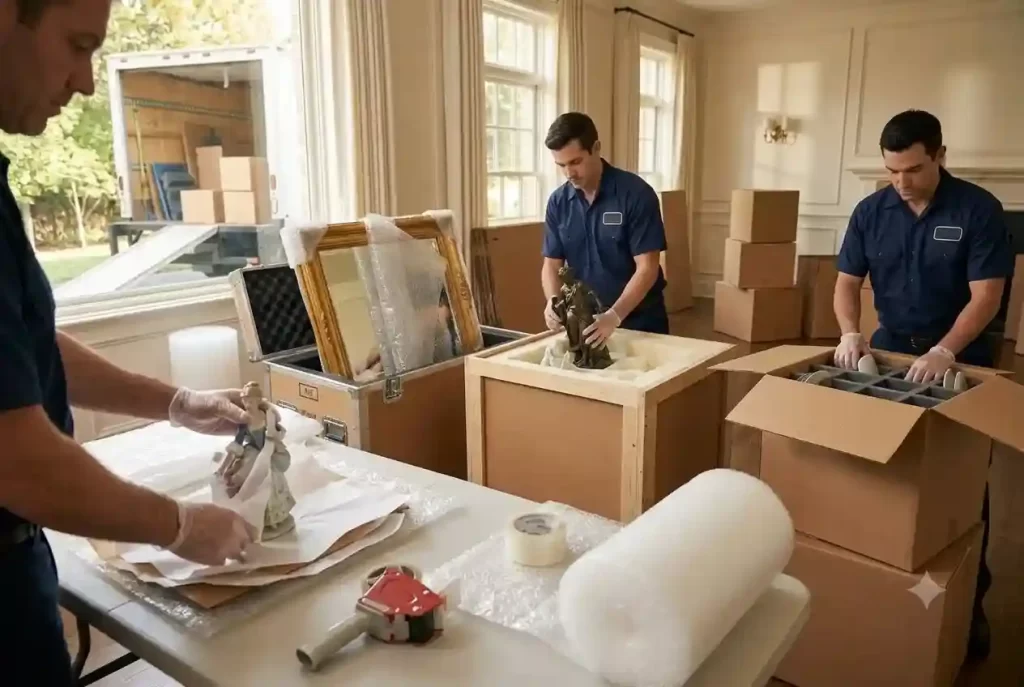
A move is only as good as the packing behind it. Boxes that shift in transit, glassware wrapped in old newspaper, furniture dragged without protection- these are the reasons household shifting goes wrong. If you are comparing packers and movers in India and wondering what actually separates a reliable company from a risky one, the answer almost always comes down to process. PM Packers has built a structured packing process around material quality, trained manpower, and checkpoints at every stage, from the first inventory list to the final unloading at your new address. This article walks through exactly how the process works, what materials are used, and how it protects your belongings during household and office relocations alike.
Why the Packing Process Matters More Than the Truck
Most people assume the biggest risk in a move is the road. In reality, over 70% of transit damage claims in the moving industry trace back to poor packing, not driving. A well-loaded truck cannot compensate for a badly wrapped mirror or an under-cushioned carton. This is why professional packing standards focus on the box before the vehicle.
PM Relocations, the parent company behind PM Packers, has operated since 1986 and holds ISO 9001 certification along with FIDI FAIM accreditation, two benchmarks that specifically audit packing methodology, material handling, and quality control in the relocation industry. These are not marketing badges. FAIM audits require documented packing procedures, trained staff, and traceable material standards, which is exactly what shapes the process below.
Step-by-Step: The PM Packers Packing Process
1. Pre-Move Survey and Inventory Assessment
Before a single box is packed, a pre-move survey is conducted, either in person or virtually. This step identifies fragile items, high-value goods, oversized furniture, and any items needing special handling such as artwork, aquariums, or musical instruments. An inventory checklist is created item by item, which later becomes the basis for insurance valuation and delivery verification.
2. Material Selection Based on Item Category
Not every item needs the same protection. PM Packers separates materials by category:
- Corrugated boxes in multiple sizes and wall thickness for books, kitchenware, and general household goods
- Bubble wrap for glassware, crockery, and electronics with sensitive components
- Foam sheets and edge protectors for furniture corners and wooden surfaces
- Stretch film to bundle drawers shut and protect upholstery from dust
- Wooden crating for artwork, mirrors, marble items, and highly fragile or high-value goods
- Anti-static packing material for electronics like TVs, computers, and audio systems
Using the wrong material is a common cause of damage. Newspaper, for instance, can transfer ink stains onto ceramics and does not absorb shock the way proper cushioning material does.
3. Room-by-Room Systematic Packing
Packing proceeds room by room rather than randomly across the house. This keeps similar items together, reduces mixing of fragile and heavy goods in the same carton, and makes unpacking after relocation far more organized. Each carton is labeled with the room name, a brief content description, and a fragile marking where applicable.
4. Special Handling for High-Risk Items
Certain categories always receive extra attention:
- Electronics: original packaging is used when available; otherwise, anti-static bubble wrap and double-walled boxes with foam corners
- Glass and marble: individually wrapped, cushioned on all six sides, and marked with directional handling labels
- Furniture: disassembled where possible, with furniture blankets and stretch wrap protecting polished or upholstered surfaces
- Appliances: refrigerators and washing machines are secured to prevent internal component movement and are packed upright
- Vehicles: for car and bike transportation, vehicles are photographed for condition records before loading onto a closed or open carrier
5. Sealing, Labeling, and Loading
Once packed, cartons are sealed with industrial-grade tape rated for the weight inside, not standard stationery tape. Loading follows a sequence: heavier cartons at the base, fragile-marked boxes on top, and furniture secured with straps to prevent shifting during transit. This loading discipline is part of what FIDI FAIM standards specifically assess during certification audits.
Quality Control Checkpoints in the Packing Process
Quality is not a single inspection at the end. PM Packers builds in checks at multiple stages:
- Supervisor verification against the inventory list before loading begins
- Photographic documentation of high-value and fragile items before and after packing
- Cross-check of carton count against the inventory sheet at the point of loading
- Condition report signed off by the customer before the truck departs
This documentation matters later. In the rare case of a damage claim, a clear pre-move condition record speeds up resolution significantly compared to a move with no paperwork trail.
Common Packing Mistakes to Avoid
Whether you are hiring professionals or attempting a partial self-pack, these mistakes cause the most damage:
- Overloading a single carton beyond its weight rating, which causes bottom failure
- Leaving space inside boxes, allowing items to shift and collide during transit
- Using old or mismatched boxes with weakened structural strength
- Packing liquids, chemicals, or flammable items without separation from other goods
- Skipping labels, which leads to mishandling by loading staff who cannot identify fragile contents
If you are packing anything yourself before the team arrives, avoid these errors, since they account for a disproportionate share of transit damage.
Costs, Timelines, and What Affects Them
Packing charges are typically calculated based on the volume of goods, the proportion of fragile or high-value items, and whether crating services are required for artwork or marble. A standard 2BHK household in India typically takes a trained team of 3 to 4 packers between 4 to 6 hours to pack fully, while larger homes or offices with electronics and glass fixtures can take a full day or more.
Getting a written estimate after the pre-move survey, rather than a phone quote, is the safest way to avoid cost surprises once the truck is loaded.
Why Professional Relocation Services Can Help
A do-it-yourself pack can work for a small move, but for full households, offices, or interstate and international relocations, the risk profile changes. Professional relocation services bring three hard advantages to replicate independently:
- Trained manpower who handle hundreds of moves a year and know material selection by item type instantly
- Bulk-grade packing materials that are stronger than what is available at retail stores, at a lower effective cost
- Insurance-backed accountability, since a documented, photographed packing process is what makes a transit insurance claim processable in the first place
PM Relocations applies this process across household shifting, office relocation, vehicle transportation, and international moves, backed by an ISO 9001 quality framework and FIDI FAIM accreditation that requires ongoing audits of exactly the packing standards described above.
Conclusion
The difference between a smooth move and a stressful one usually comes down to what happens before the truck ever leaves your driveway. A disciplined packing process, correct material selection for each item category, room-by-room organization, and documented quality checks, is what protects your belongings, not luck. Whether you handle part of the packing yourself or rely fully on a professional packers and movers team, applying these standards is what determines whether your goods arrive intact.
Frequently Asked Questions
1. How long does professional packing take for a 2BHK home?
A trained team of 3 to 4 packers typically completes a 2BHK household in 4 to 6 hours, depending on the volume of fragile and high-value items.
2. What packing materials are used for glass and crockery?
Glass and crockery are individually wrapped in bubble wrap, cushioned on all sides inside double-walled cartons, and marked with fragile labels for handling.
3. Is wooden crating necessary for all fragile items?
No. Wooden crating is generally reserved for high-value or highly fragile items like artwork, marble, mirrors, and antiques, where bubble wrap alone is not sufficient protection.
4. Can I pack some items myself and let the movers handle the rest?
Yes, this is common. However, self-packed cartons are usually not covered under the mover’s transit insurance unless a supervisor inspects and approves the packing before loading.
5. How is the cost of packing calculated?
Packing charges are based on the volume of goods, the number of fragile or high-value items, and whether specialized services like crating are needed. A written estimate after a pre-move survey gives the most accurate cost.
6. What happens if an item is damaged during the move?
A documented pre-move condition report with photographs allows a damage claim to be verified and processed against the moving company’s transit insurance.
7. Do professional movers pack electronics differently from furniture?
Yes. Electronics are packed using anti-static materials and original packaging where available, while furniture is disassembled where possible and protected with furniture blankets and stretch wrap.

